Turn Chore Time into Epic Family Co‑op Adventures
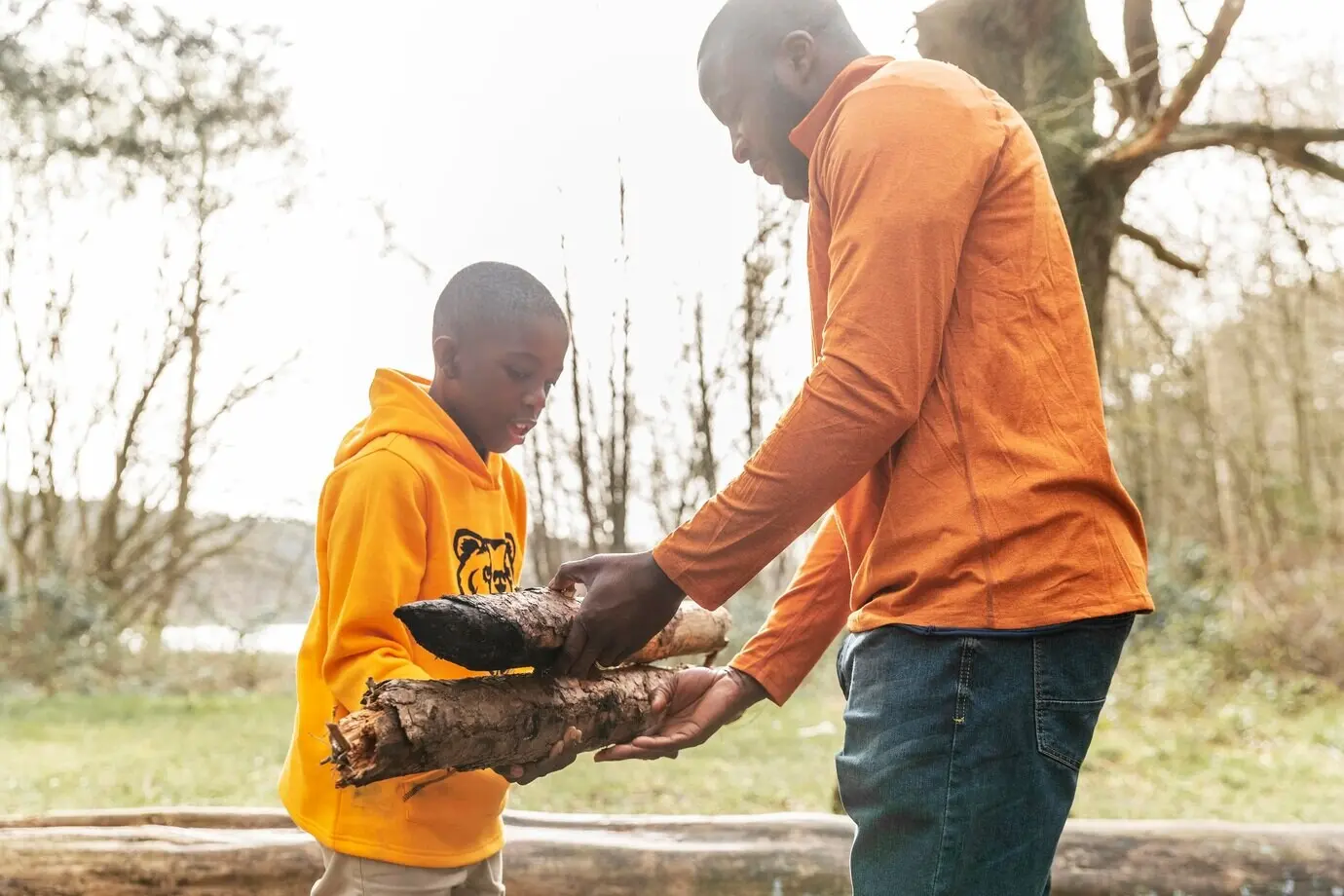

Welcome to a playful, practical journey into Family Co‑op Skill Adventures: Turning Chores into Team Challenges. Together we will transform everyday tasks into stories worth retelling, build confidence through collaboration, and discover simple systems that spark joy, teach real skills, and keep the household running smoothly. Expect game-inspired structures, gentle accountability, and moments that invite laughter, reflection, and proud high‑fives.

From Tasks to Quests

Rename dishes as the Sparkling Shield Cleanse, laundry as the Fabric Forest Rescue, and vacuuming as the Dust Dragon Pursuit. Each quest gets a purpose, constraints, and a victory condition. Add a short story hook, choose tools like artifacts, and set a clear done definition. Simple narratives transform repetition into engaging momentum, turning effort into shared progress everyone recognizes, celebrates, and eagerly contributes to throughout the week.

Roles, Classes, and Rotations

Assign playful classes such as Organizer, Scout, Builder, or Keeper, each with strengths that fit a child’s interests. Rotate weekly so skills expand and jobs stay fresh. Pair an experienced guide with a new apprentice to build confidence and safety. Clear roles reduce friction, make collaboration smoother, and create opportunities for mentorship, humor, and supportive learning moments that turn ordinary evenings into surprisingly uplifting co‑op sessions everyone anticipates.

Boss Battles and Timed Events

Create special challenges for tricky messes or seasonal deep cleans. Announce a Boss Battle with a countdown, short soundtrack, and a shared objective that requires teamwork. Introduce double‑assist mechanics where one person preps and another finishes. Keep timeboxed sprints humane and celebratory. When the clock stops, pause to breathe, hydrate, and reflect on what worked. Fun urgency helps families move together, laugh together, and finish proud, not exhausted.

Building Real‑World Skills While Having Fun

Behind the playful names live powerful competencies: planning, measurement, safety, budgeting, and communication. Household quests can teach sequencing, attention to detail, and respectful stewardship of shared spaces. Make the learning visible by labeling skills on quest cards, celebrating small improvements, and revisiting tricky steps with patience. Over time, children recognize how responsibilities build independence, and adults rediscover how guidance can be generous, lighthearted, and affirming without sacrificing standards or routines.

Planning and Prioritization

Hold a short family huddle to choose the most impactful quests for the day, estimate effort, and decide the order. Invite kids to suggest swaps or breaks. Use simple kanban columns like Ready, Doing, and Done to visualize flow. Prioritization becomes a friendly conversation about tradeoffs, energy levels, and fairness, teaching that planning is not rigid control but shared wisdom guiding calmer, more confident action together.

Fine Motor and Tool Confidence

Demonstrate safe grip techniques, measured motions, and the right tool for each situation. Let kids practice with supervision, adjusting tool sizes for comfort and control. Celebrate progress like smoother wiping patterns, neatly folded corners, and correctly measured detergent. These micro‑skills compound into capability and pride. Competence grows when effort is noticed, steps are taught, and guidance is encouraging yet clear about quality, safety, and consistency.

Budgeting and Resource Management

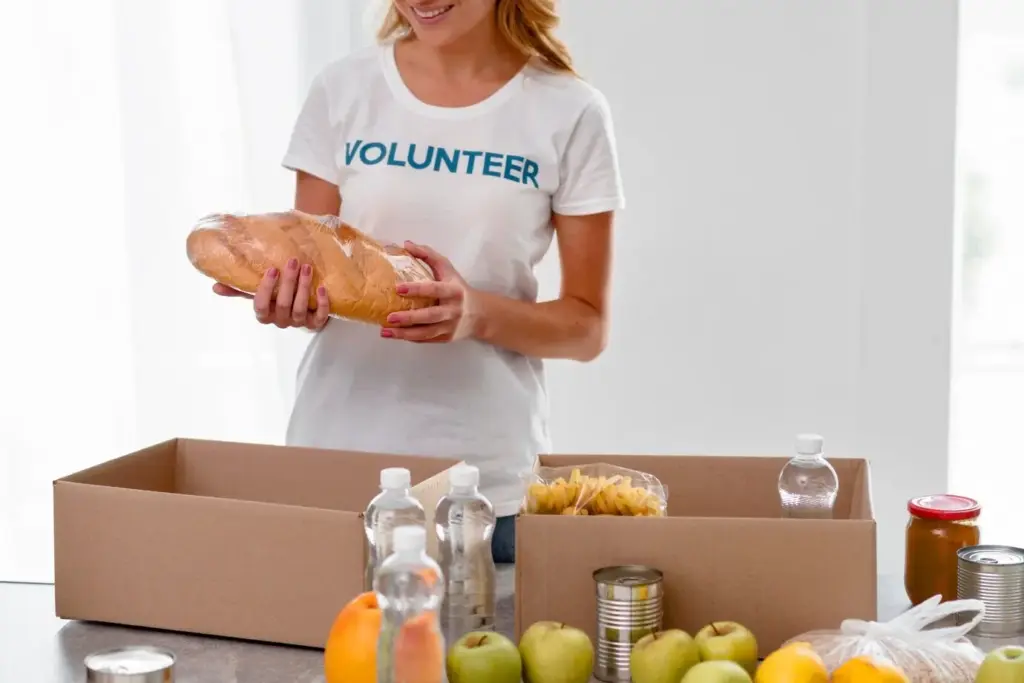
Attach lightweight resource rules to quests: limited cleaning supplies, set water usage, or fixed time windows. Invite children to choose strategies within constraints. Track savings toward a shared family treat or charity donation. This turns abstract budgeting into lived experience and shared values. Resource awareness becomes compassionate rather than punitive, encouraging stewardship, environmental care, and thoughtful discussion about needs, wants, and the meaningful impact of everyday choices.

Motivation Systems That Actually Stick

Motivation thrives when meaning, fairness, and feedback intertwine. Use small, consistent rewards that reinforce shared identity rather than transactional bargains. Highlight the intrinsic payoff of clean spaces, smooth mornings, and calmer evenings. Add light points, badges, or levels if they inspire momentum, but keep connection at the core. When everyone understands how individual contributions uphold collective comfort, participation becomes a source of belonging rather than reluctant compliance.

Communication, Cooperation, and Conflict Resolution
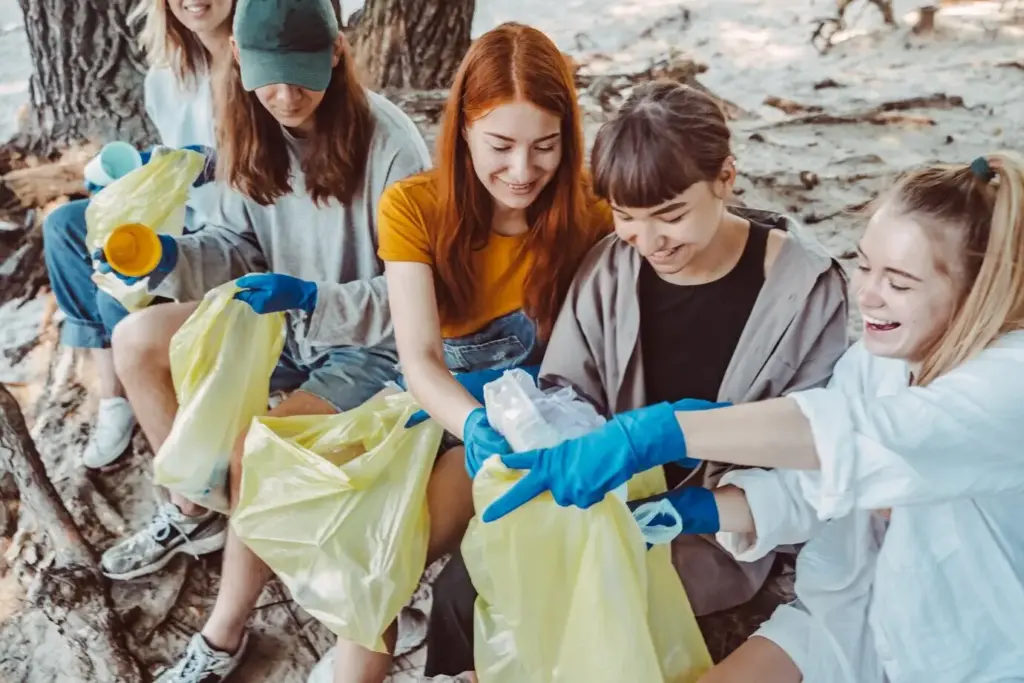
Collaboration blossoms when communication is simple, respectful, and predictable. Establish hand signals or short phrases for requests, check‑ins, and timeouts. Normalize feedback as kindness, not criticism. When tension rises, pause the quest, breathe, and reflect together on what is hard or confusing. Repair quickly and celebrate returns to teamwork. These practices create psychological safety, build empathy, and show children how resilient relationships can transform difficult moments into shared learning.

Daily Standups, Family‑Style

Gather for five minutes to review yesterday’s wins, today’s must‑dos, and any blockers. Everyone names one support they need and one support they can offer. Keep it playful with a quick cheer. This routine helps children voice needs openly, teaches adults to ask clearly, and prevents misunderstandings from growing. The household gains focus while preserving warmth, because consistent conversation turns coordination into connection rather than command.

Disagreements as Design Feedback

Treat friction as a signal that rules or roles might need adjustment. Ask what made the quest hard, which tools felt awkward, and where the instructions confused. Invite kids to redesign steps and test their ideas. When families co‑create process changes, ownership rises and resistance falls. Conflict shifts from personal blame to collaborative improvement, nurturing a culture where honesty, creativity, and kindness guide problem solving and progress.

Celebration Rituals and Reflection

End each session with a shared ritual: a bell ring, a gratitude round, or a sticker on the progress map. Name specific efforts you appreciated. Capture a photo of a before‑after moment or a small story. These rituals strengthen memory, reveal growth, and remind everyone why the work matters. Joyful closure motivates the next gathering, turning rituals into anchors of belonging, perseverance, and collective pride.

Age‑Appropriate Challenges and Safety

Challenge should stretch, not strain. Match quests to developmental stages and confidence levels, layering complexity gradually. Provide child‑sized tools, clear demonstrations, and supervised practice. Model safe habits, from lifting posture to ventilation. Create opt‑out signals so anyone can pause. Respect sensory needs by offering headphones, gloves, or step breaks. When safety leads, courage follows, and every family member finds a path to contribute meaningfully and happily.

Tracking Progress and Sharing the Journey

Visible progress turns effort into momentum. Use a simple wall dashboard, fridge magnets, or a digital board to show quests in motion. Capture stories with quick photos or voice notes. Share weekly highlights around the dinner table. Invite comments and suggestions from every participant. If our ideas help, subscribe for fresh prompts, reply with your experiments, and help us gather inspiring examples that make family cooperation feel doable everywhere.
Pitenuvaxokino
Privacy Overview

This website uses cookies so that we can provide you with the best user experience possible. Cookie information is stored in your browser and performs functions such as recognising you when you return to our website and helping our team to understand which sections of the website you find most interesting and useful.